
It’s Not About Fixing Problems — It’s About Preventing Them.
Most Pet Owners Start Too Late
Stiff joints. Slower walks. Less jumping.
For many pet owners, these are the first signs
that something has already changed.
And that’s usually when action begins.
But here’s the truth:
👉 Mobility doesn’t suddenly decline — it gradually builds or breaks over time.
What your pet does every day
matters more than what you do once something goes wrong.
The Real Problem Isn’t Aging — It’s Inconsistency
Aging is natural.
But loss of mobility often comes from:
- Irregular activity patterns
- Sudden bursts of intense movement
- Long periods of inactivity followed by overexertion
This creates stress on:
- joints
- muscles
- connective tissue
Over time, this leads to:
- stiffness
- reduced flexibility
- discomfort during movement
Not because your pet is aging —
but because their body isn’t supported consistently.
The Foundation: Daily Movement Structure
Healthy mobility isn’t built through intense exercise.
It’s built through consistent, structured movement.
Here’s what that looks like:
✔ Short, regular activity sessions
- Multiple low-impact walks instead of one long, intense outing
- Gentle play instead of high-impact bursts
✔ Predictable daily rhythm
- Similar activity timing each day
- Balanced between movement and rest
✔ Movement that matches your pet’s capacity
- Adjust based on age, energy, and condition
- Avoid pushing beyond natural limits
Consistency builds strength.
Spikes create strain.
The Hidden Risk: Activity Spikes
One of the biggest mistakes pet owners make: Doing “too much” on certain days.
For example:
- Long hikes after days of inactivity
- Intense play sessions on weekends
- Sudden increases in walking distance
These spikes may feel like “giving your pet more” — but they often do the opposite.
They create:
- joint stress
- inflammation
- delayed recovery
And over time, they accelerate mobility decline.
The Smarter Approach: Gradual Adaptation
Instead of pushing limits, focus on progressive adaptation.
This means:
- Increasing activity slowly over time
- Allowing the body to adjust at its own pace
- Supporting recovery between sessions
Your goal is not to challenge your pet —
it’s to build a body that can handle movement comfortably.
Mobility Isn’t Just Movement — It’s Recovery
Here’s what most people miss:
Mobility is not just about activity.
It’s about how well the body recovers after.
Without proper recovery:
- muscles stay tense
- joints remain inflamed
- movement becomes less efficient
This is why long-term mobility depends on:
✔ structured activity
✔ consistent rest
✔ effective recovery support
Supporting Mobility Through Daily Recovery
For pets with active lifestyles, aging bodies, or early signs of stiffness,
recovery needs to be part of the routine — not an afterthought.
This is where supportive tools like PEMF therapy can play a role.
Because the most sustainable way to protect mobility is not by doing more —
but by helping the body recover better.
Different types of support play different roles in helping your pet move better, recover faster, and stay comfortable over time:
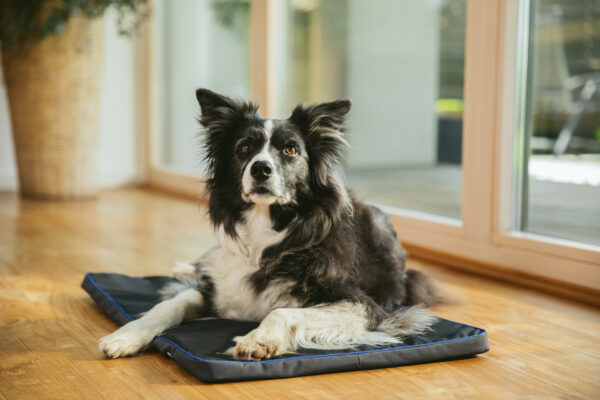
1. Full-Body Daily Recovery — Petspemf Pad
Designed for consistent, everyday use:
- Supports overall circulation and relaxation
- Helps the body recover after daily movement
- Ideal for building a stable mobility routine
👉 Best for: daily maintenance and full-body balance
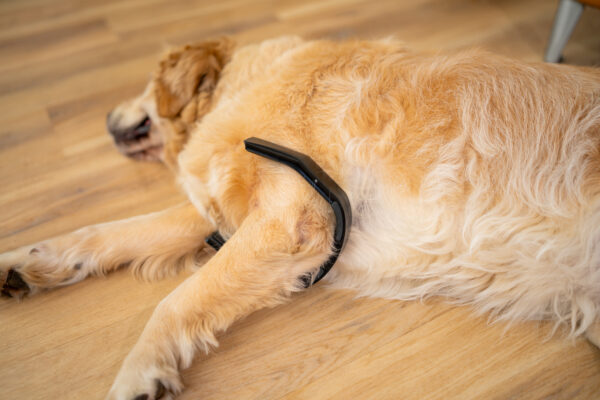
2. Targeted Support — PetLoop PRO
For areas that need extra attention:
- Focuses on joints like hips, knees, and shoulders
- Supports localized recovery after activity
- Helps relieve tension in specific areas
👉 Best for: spot support and targeted mobility care
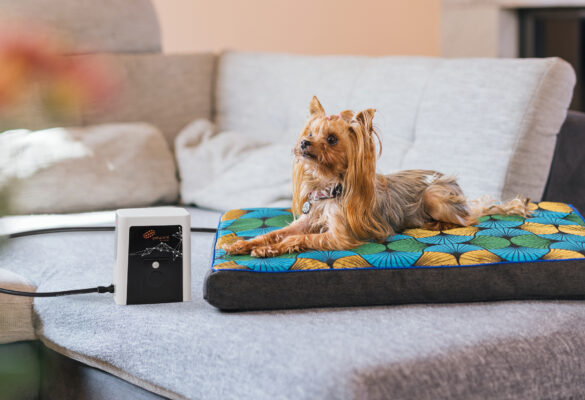
3. Deep Rest & Long-Term Comfort — RollnRest
Where recovery happens naturally during rest:
- Combines orthopedic support with PEMF therapy
- Reduces pressure on joints during sleep
- Supports deeper, more consistent recovery cycles
👉 Best for: aging pets and long-duration recovery
Together, these approaches support not just movement —
but how well your pet recovers from it.
Think Long-Term, Not Just Today
Protecting your pet’s mobility isn’t about reacting.
It’s about planning.
Small daily decisions:
how much they move, how they rest, how they recover —
shape how they will feel months and years from now.
Because protecting mobility long-term is all about supporting the body — every single day.